
*English version below

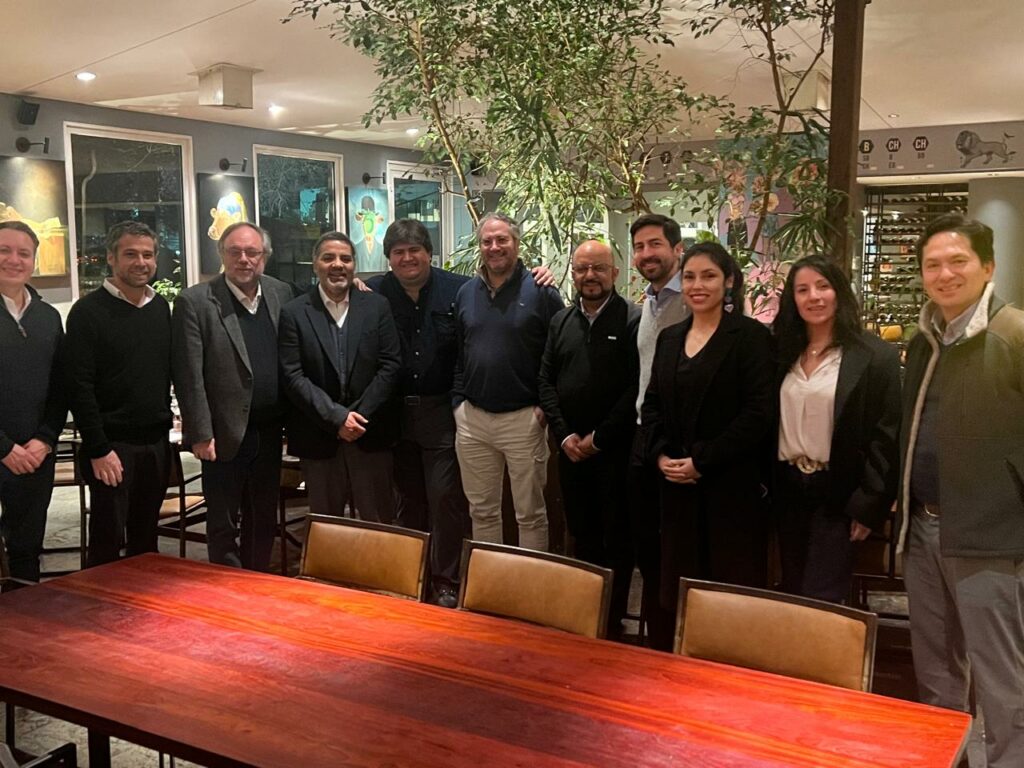

Aplicar la inteligencia artificial para mejorar la detección y el tratamiento del cáncer es el objetivo central del proyecto PRECISION-IA: Programa Tecnológico de Inteligencia Artificial para la Oncología de Precisión, una iniciativa chilena que reúne a universidades, centros de investigación y actores públicos y privados para fortalecer el desarrollo de la medicina personalizada en el país.
Liderado por la Universidad del Desarrollo (UDD), junto a la Universidad de Chile, el proyecto fue recientemente adjudicado por la Corporación de Fomento de la Producción (Corfo) en la convocatoria “Programas Tecnológicos para el uso y adopción de la Inteligencia Artificial en la Industria Chilena”, cuyo objetivo es incrementar la tasa de innovación tecnológica en productos y procesos de empresas de distintos sectores, disminuyendo brechas, mejorando la productividad y contribuyendo a su diversificación y sofisticación.
En particular, PRECISION-AI busca la transformación del sistema de salud chileno mediante el desarrollo, validación, escalamiento e implementación de un portafolio de soluciones tecnológicas basadas en inteligencia artificial, que optimicen el diagnóstico, tratamiento y pronóstico del cáncer, promoviendo una medicina de precisión accesible, efectiva y centrada en el paciente.
El proyecto contempla, además, la creación de una infraestructura de datos federada, segura, ética y escalable, que permitirá el entrenamiento de modelos de IA sin comprometer la privacidad de los datos de los pacientes. Esta infraestructura habilitará no sólo el desarrollo y validación de las tecnologías que son parte del portafolio de PRECISION-AI, sino que se espera que en el futuro sea accesible para el ecosistema nacional e internacional para la validación de más y nuevas herramientas.
A su vez, cuenta con la participación de diversos actores del ecosistema nacional e internacional en las áreas de salud, inteligencia artificial y oncología, incluyendo instituciones de salud públicas y privadas, grandes y medianas empresas, start-ups y asociaciones de pacientes.
A nivel nacional, son parte del proyecto la Clínica Alemana de Santiago, la Cámara de la Innovación Farmacéutica, el Instituto de Salud Pública, la Municipalidad de Huechuraba y las start-ups Oncoger y AIDA. En tanto, a nivel internacional, destaca el apoyo del Massachusetts Institute of Technology (MIT) y del London AI Centre for Value-Based Healthcare.
Desde la UDD, la iniciativa es encabezada por el Dr. Ricardo Armisén, investigador del Centro de Genética e Inmunología Traslacional y director del Anillo de Oncología de Precisión en Chile. Junto a Alberto Lecaros y Mauricio Mattoli, del Instituto de Ciencias e Innovación en Medicina (ICIM), Pablo Pizarro, director de la carrera de Ingeniería Civil en Biomedicina UDD, y Karen Oróstica, del Instituto Data Science, estarán a cargo del diseño e integración de modelos predictivos basados en IA y de la coordinación de los pilotos clínicos en centros de salud nacionales.
“Este programa busca poner la inteligencia artificial al servicio de las personas, acelerando el diagnóstico y personalizando los tratamientos oncológicos. Nuestro objetivo es generar soluciones tecnológicas validadas y que sean escalables, mejorando la calidad de vida de los pacientes y fortaleciendo el sistema de salud nacional”, señala el Dr. Armisén.
En este sentido, agrega que “representa un paso significativo en la consolidación del ecosistema de investigación aplicada de la UDD, reafirmando nuestro compromiso con la generación de conocimiento que impacte positivamente en la sociedad y con el impulso de soluciones tecnológicas que transformen la salud en Chile”.
El doctor Arnaldo Marín, profesor de la U. de Chile y director alterno del proyecto, señala que el portafolio articula múltiples líneas de trabajo agrupadas en dos ejes principales: detección y diagnóstico precoz, y gestión integral del paciente oncológico. El propósito, explica, es ofrecer un acompañamiento continuo, desde la primera sospecha hasta el seguimiento posterior al tratamiento, promoviendo una atención más humana, personalizada y sustentada en evidencia científica.
De este modo, con una duración de cinco años y una inversión de $5.000 millones, PRECISION-AI aspira a consolidar un consorcio sostenible que posicione a Chile como referente regional en inteligencia artificial aplicada a la oncología.
Applying artificial intelligence to enhance cancer detection and treatment is the central objective of PRECISION-AI: Technological Program of Artificial Intelligence for Precision Oncology, a Chilean initiative that brings together universities, research centers, and public and private stakeholders to strengthen the development of personalized medicine in the country.
Led by the Universidad del Desarrollo (UDD), together with the University of Chile, the project was recently awarded funding by the Corporación de Fomento de la Producción (Corfo) under the call for proposals “Technological Programs for the Use and Adoption of Artificial Intelligence in the Chilean Industry.” This program aims to increase the rate of technological innovation in products and processes across various sectors, reducing gaps, improving productivity, and contributing to diversification and sophistication.
Specifically, PRECISION-AI seeks to transform Chile’s healthcare system through the development, validation, scaling, and implementation of a portfolio of AI-based technological solutions that optimize cancer diagnosis, treatment, and prognosis—promoting accessible, effective, and patient-centered precision medicine.
The project also includes the creation of a secure, ethical, and scalable federated data infrastructure that will enable AI model training without compromising patient data privacy. This infrastructure will not only support the development and validation of technologies within the PRECISION-AI portfolio but is also expected to become accessible in the future to national and international ecosystems for validating additional tools.
The initiative involves diverse actors from the national and international ecosystems in health, artificial intelligence, and oncology, including public and private healthcare institutions, large and medium-sized companies, start-ups, and patient associations.
Nationally, the project includes Clínica Alemana de Santiago, the Pharmaceutical Innovation Chamber, the Public Health Institute, the Municipality of Huechuraba, and start-ups Oncoger and AIDA. Internationally, it is supported by the Massachusetts Institute of Technology (MIT) and the London AI Centre for Value-Based Healthcare.
At UDD, the initiative is led by Dr. Ricardo Armisén, researcher at the Center for Translational Genetics and Immunology and director of the Precision Oncology Network in Chile. Together with Alberto Lecaros and Mauricio Mattoli from the Institute of Science and Innovation in Medicine (ICIM), Pablo Pizarro from director of the Biomedical Civil Engineering Program at UDD, and Karen Oróstica from the Data Science Institute, they will oversee the design and integration of AI-based predictive models and coordinate clinical pilots in national healthcare centers.
“This program aims to put artificial intelligence at the service of people, accelerating diagnosis and personalizing cancer treatments. Our goal is to generate validated and scalable technological solutions that improve patients’ quality of life and strengthen the national healthcare system,” says Dr. Armisén.
He adds, “This represents a significant step in consolidating UDD’s applied research ecosystem, reaffirming our commitment to generating knowledge that positively impacts society and driving technological solutions that transform healthcare in Chile.”
Dr. Arnaldo Marín, professor at the University of Chile and deputy director of the project, explains that the portfolio integrates multiple lines of work grouped into two main axes: early detection and diagnosis, and comprehensive management of oncology patients. The purpose, he notes, is to provide continuous support—from the first suspicion to post-treatment follow-up—promoting more humane, personalized care grounded in scientific evidence.
With a five-year duration and an investment of CLP $5 billion, PRECISION-AI aims to consolidate a sustainable consortium that positions Chile as a regional leader in artificial intelligence applied to oncology.